
Technical Specifications and Architectural Breakdown
At the heart of the current conflict is the sheer scale of modern data center architecture. A hyperscale facility today requires power loads ranging from 100 megawatts to over a gigawatt, a footprint that rivals small cities. The engineering challenge involves three primary components: power delivery, thermal management, and transmission infrastructure.
Power delivery systems are shifting toward higher voltage distribution to minimize line losses, often requiring dedicated substations that integrate directly into high-voltage transmission lines. Thermal management has evolved from traditional air-cooled configurations to liquid immersion and direct-to-chip cooling, necessitated by the high power density of GPUs used in generative AI. These systems require significant water consumption for evaporative cooling towers, a point of contention in regions experiencing drought.
From a protocols perspective, the industry is moving toward “Grid-Interactive” data centers. These facilities utilize sophisticated software-defined power management to modulate their energy consumption in real-time based on grid load. However, the hardware required to bridge the gap between volatile renewable energy sources and the constant, 24/7 uptime requirements of enterprise servers remains a significant capital expenditure. The transition from off-the-shelf utility power to bespoke, on-site microgrids—often featuring battery energy storage systems (BESS) and hydrogen fuel cells—is becoming the new benchmark for facilities attempting to bypass public grid strain.
Industry Landscape and Competitive Comparison
The industry is currently divided between two primary infrastructure models. The traditional “Public Grid Model” relies on existing municipal or regional electrical infrastructure, which is increasingly unable to handle the sudden spikes in demand without significant upgrades. The alternative, the “Independent Power Model,” requires tech firms to finance and construct their own generation assets, effectively decoupling their growth from the local ratepayer.
| Feature | Public Grid Model | Independent Power Model |
|---|---|---|
| Implementation Speed | Rapid (leveraging existing assets) | Slow (requires site development) |
| Cost Burden | Shifted to local ratepayers | Borne by the tech firm |
| Grid Reliability | High risk of localized brownouts | High internal resilience |
| Regulatory Scrutiny | High (Public utility commission oversight) | Moderate (Permitting and zoning focus) |
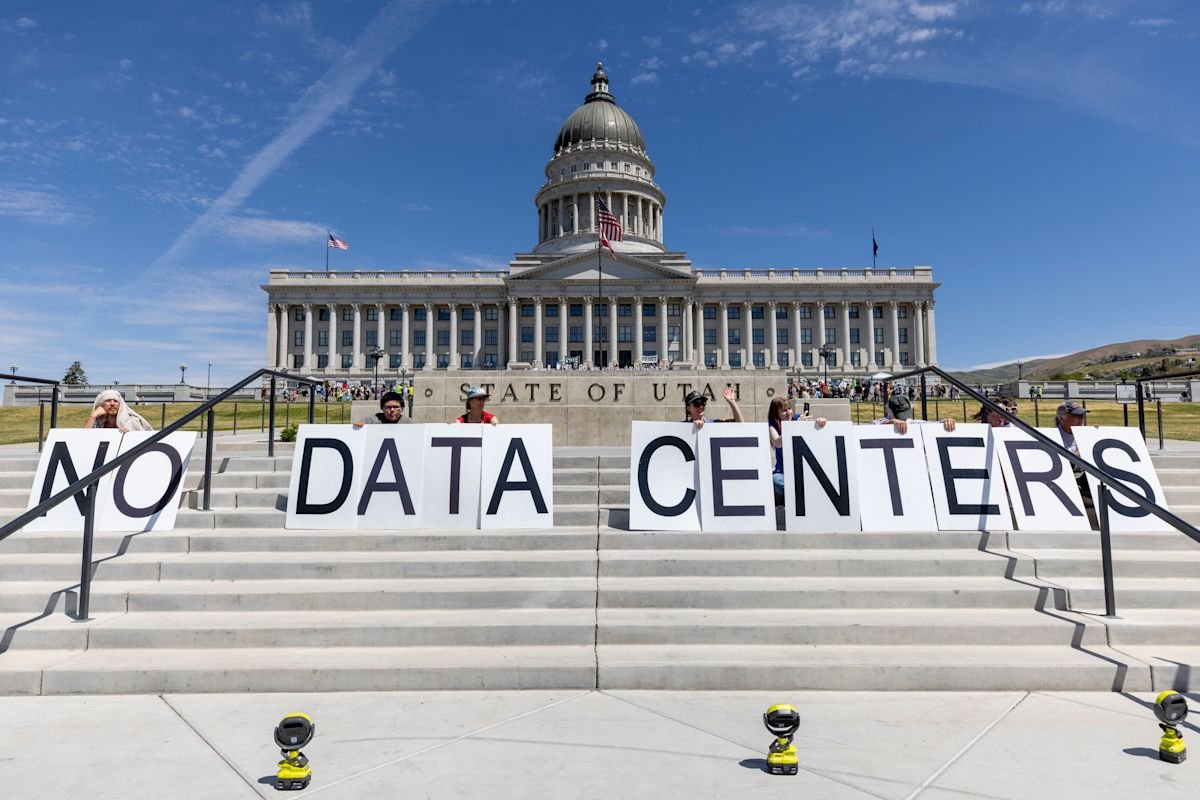
The legislative landscape, characterized by the Ratepayer Protection Act and the GRID Act, is explicitly designed to shift the financial burden of these infrastructure upgrades away from residential consumers. As Congress considers these measures, tech firms are finding that the “cost of doing business” now includes the multi-billion dollar price tag of upgrading regional transmission lines and building dedicated power plants.
Practical Consumer & Enterprise Takeaways
For enterprise leaders, the current environment necessitates a shift in site selection strategy. The days of prioritizing low-cost utility power above all else are ending. Companies must now conduct thorough “Social License to Operate” assessments before breaking ground. This includes vetting local political sentiment, water rights availability, and the resilience of the local grid.
For investors and stakeholders, the cost-benefit trade-off has fundamentally changed. Projects that rely on public subsidies are increasingly likely to face litigation or regulatory reversal. Conversely, firms that invest in self-contained, independent power infrastructure may face higher upfront costs, but they gain long-term operational security and shield themselves from the political backlash currently targeting the industry. Buyers of cloud services should expect these infrastructure costs to be passed down through service level agreement (SLA) pricing, as the industry moves toward a model where “green” and “grid-neutral” capacity commands a premium.
Frequently Asked Questions
Why are local ratepayers being asked to subsidize data center growth?
In many regions, utility companies have historically upgraded transmission lines and substations to accommodate new large-scale industrial customers. Because these upgrades are classified as “general system improvements,” the costs are often socialized across the entire ratepayer base. The proposed legislation seeks to mandate that these costs are borne exclusively by the data center operators.
What is the primary technical reason for the high energy demand?
The transition to high-performance computing, particularly for large language model (LLM) training, requires thousands of GPUs running simultaneously. These chips have thermal design powers (TDP) that far exceed traditional server processors, requiring massive amounts of electricity to run the computation and even more to power the cooling systems required to prevent hardware failure.
Will Trump’s threat to tax offshoring actually slow down data center growth?
While the threat of tariffs introduces a new risk variable, the primary driver for domestic construction remains latency and data sovereignty. Even without tariffs, the need to keep data close to the end-user for AI applications ensures that domestic growth will continue. However, such a tax could force firms to prioritize domestic sites that are more expensive to build, potentially narrowing the profit margins for hyperscale providers.
The Bottom Line
The era of unchecked, subsidized growth for US data centers has reached its limit. As the political and environmental costs of these facilities become impossible to ignore, the industry must pivot toward a more sustainable and fiscally responsible model. Tech firms that proactively internalize their infrastructure costs and engage with local communities will likely survive the coming regulatory transition. Those that continue to rely on the public grid to absorb their externalities will find themselves caught in a tightening vice of federal mandates and local opposition. The future of American digital infrastructure will be built on reliability and community alignment, not merely on the speed of deployment.