
Technical Specifications and Architectural Breakdown
The defining characteristic of the Apple HomeView is its silicon. By integrating the A18 chip—the same architecture powering the latest iPhone 16—Apple has effectively bypassed the limitations that have long plagued smart displays. Historically, these devices have been built on lower-power, ARM-based processors optimized for basic voice recognition and low-resolution video playback. The A18, however, brings desktop-class neural engine performance to a stationary device.
This architectural choice facilitates local on-device processing for Siri AI, significantly reducing latency. Where the Echo Show relies heavily on cloud-based round trips for natural language processing, the HomeView executes complex requests locally. This results in near-instantaneous responses and enhanced privacy, as sensitive voice and visual data remain on the device. Furthermore, the A18 enables advanced image signal processing (ISP) for the integrated camera, allowing for real-time background separation and superior low-light performance during video calls. The device also supports the latest Thread and Matter protocols, ensuring that it functions as a highly responsive hub for a wide array of third-party smart home peripherals without the need for additional bridges.
Industry Landscape and Competitive Comparison
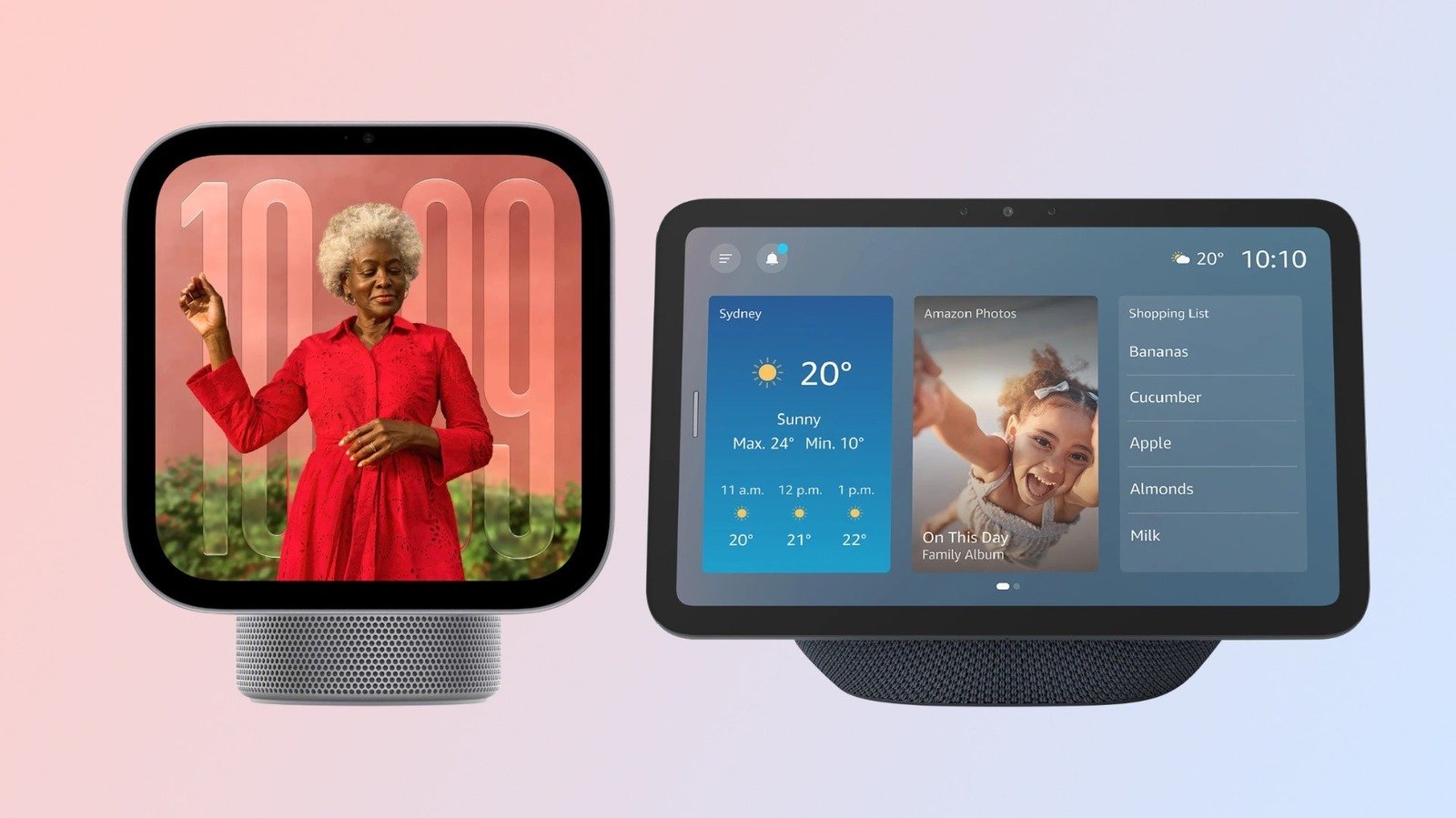
Amazon’s strategy has been built on ubiquity and accessibility. By offering a range of form factors, from the entry-level Echo Show 5 to the expansive Echo Show 21, Amazon has ensured that Alexa is present in virtually every room of the home. The Echo Show is designed for ease of use, deep integration with Prime services, and a price point that encourages multi-room deployment. Apple, conversely, is targeting the premium segment, prioritizing performance and ecosystem cohesion over sheer volume.
The following table illustrates the divergence in philosophy between these two market leaders:
| Feature | Apple HomeView | Amazon Echo Show 8 | Google Nest Hub (2nd Gen) |
|---|---|---|---|
| Processor | A18 Chip | Custom Amazon Silicon | ARM-based SoC |
| Primary Focus | HomeKit / Local AI | Alexa / Prime / Shopping | Google Assistant / Search |
| Display | 7-inch Square Retina | 8.7-inch Widescreen | 7-inch Widescreen |
| Typical Price | $299 | $149 | $99 |
While the Echo Show remains the superior choice for users deeply embedded in the Amazon retail and streaming ecosystem, the HomeView offers a distinct advantage for those who prioritize security, speed, and existing Apple device interoperability. The competitive landscape is no longer just about which voice assistant is more helpful; it is about which hardware platform can provide the most stable, responsive, and private foundation for the modern connected home.
Practical Consumer & Enterprise Takeaways
For the average consumer, the choice between these platforms should be dictated by their current digital footprint. If your household relies on Apple Music, iCloud Photos, and HomeKit-compatible security cameras, the HomeView represents a significant upgrade in utility. The ability to seamlessly hand off media from an iPhone to the HomeView, combined with the power of the A18 to manage complex automation routines, makes it the logical choice for the Apple-centric household.
However, the cost-benefit analysis favors Amazon for those looking to outfit multiple rooms. The price disparity—nearly double for the HomeView—means that a full-home deployment of Apple’s hardware is a significant capital investment. Enterprise users, particularly those managing small offices or boutique retail spaces, may find the HomeView more attractive due to its robust security features and the potential for custom software integration via Apple’s developer frameworks, which are generally more stringent and secure than those offered by competitors.
Frequently Asked Questions
Is the Apple HomeView compatible with non-Apple smart home devices? Yes, the HomeView fully supports the Matter smart home standard. This allows it to control a vast ecosystem of third-party lights, locks, and sensors, regardless of the manufacturer, provided they are Matter-certified.
Does the A18 chip provide a noticeable difference in daily use? For basic tasks like setting timers or checking weather, the difference is negligible. However, for complex tasks—such as processing multiple security camera feeds simultaneously or using advanced Siri AI features—the A18’s superior neural engine ensures a fluid experience that does not stutter or lag under load.
Can the HomeView replace an iPad as a home control center? While it shares some internal components with the iPad, the HomeView is optimized for a stationary, always-on experience. It lacks the portability and app-store versatility of an iPad, but it is superior for dedicated tasks like home monitoring, intercom functionality, and persistent dashboard display.
The Bottom Line
The Apple HomeView is a calculated entry into a market that has long prioritized volume over performance. By leveraging the A18 chip, Apple has created a device that feels significantly more responsive and capable than the current generation of smart displays. While the price point will naturally limit its reach, the HomeView succeeds by offering a premium, privacy-focused alternative to the cloud-dependent models currently dominating the market. For users within the Apple ecosystem, this is a compelling evolution of the smart home hub. For those already satisfied with the utility and breadth of the Amazon Echo line, the HomeView serves as a reminder that the next frontier of home technology will be defined by local intelligence and high-performance silicon.