
Technical Specifications and Architectural Breakdown
The engineering philosophy behind the 2026 iPad range centers on the integration of unified memory and specialized neural processing units. The standout development this year is the standardization of 12GB of RAM in the iPad Air series. This configuration is not merely a marketing metric; it is a functional necessity for the increasingly complex nature of iPadOS, which now relies heavily on local machine learning models for productivity and creative tasks.
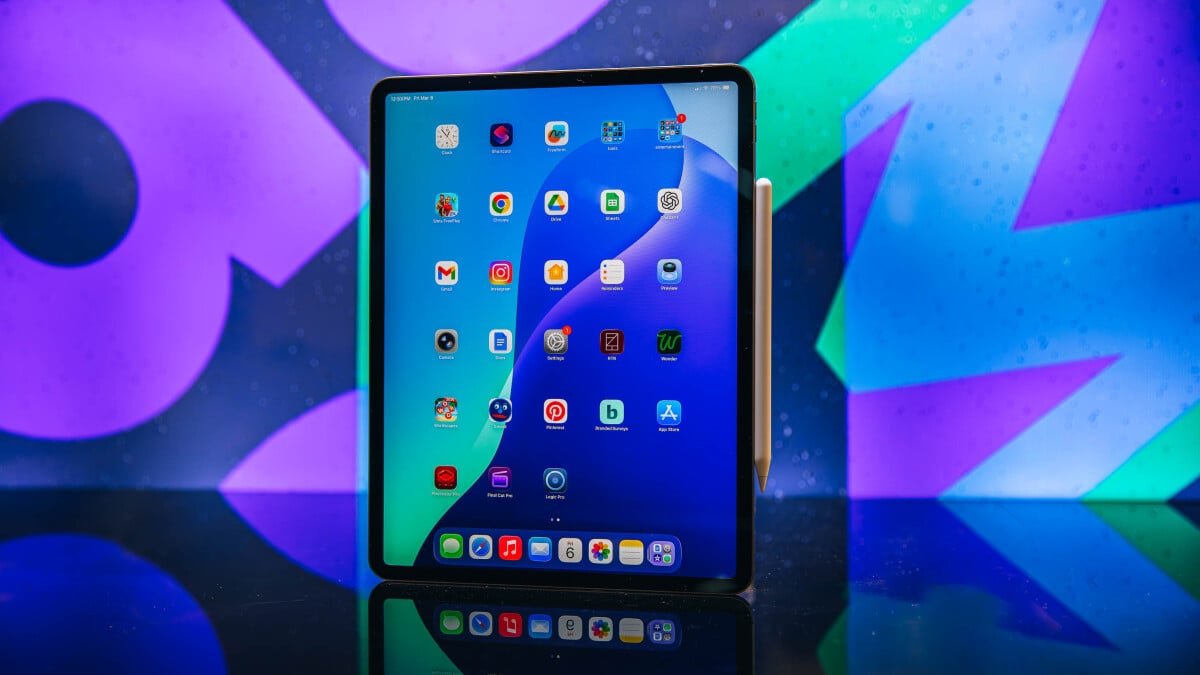
At the heart of the flagship models lies the M4 silicon, a chip that continues to lead the industry in performance-per-watt metrics. The M4’s architecture features a refined GPU capable of hardware-accelerated ray tracing, which significantly improves rendering speeds for applications like Procreate or Adobe Fresco. Furthermore, the transition to Liquid Retina displays—now utilizing advanced tandem OLED technology in the Pro tier—has achieved a level of color accuracy and peak brightness that remains unrivaled in the mobile sector. These displays support a wide P3 color gamut and ProMotion technology, ensuring that refresh rates dynamically adjust up to 120Hz to maintain fluidity while preserving battery life during static tasks.
Memory bandwidth has also seen a marked improvement. By utilizing LPDDR5X memory, the current generation of iPads minimizes latency when transferring data between the CPU and GPU, a critical factor for users who multitask between high-resolution video editing and data-intensive research applications. These hardware choices ensure that the devices remain responsive under heavy sustained loads, a common pain point in previous generations.
Industry Landscape and Competitive Comparison
The tablet market has reached a point of maturity where hardware specifications are often secondary to software integration. While competitors from the Android ecosystem offer excellent hardware, the Apple ecosystem maintains a lead in third-party software optimization. The following table compares the current lineup to provide context on how these devices stack up against previous iterations and market alternatives.
| Model | Chipset | RAM | Primary Use Case |
|---|---|---|---|
| iPad Pro (2026) | M4 | 16GB | Professional Creative/Desktop Replacement |
| iPad Air (2026) | M3/M4 | 12GB | Students/Mid-tier Creative |
| iPad (Base) | A17 Pro | 8GB | Education/Media Consumption |
In the broader market, the iPad faces pressure from high-end ARM-based laptops and specialized drawing tablets. However, the iPad’s advantage remains its versatility. Unlike a traditional laptop, the iPad’s touch-first interface and stylus integration offer a tactile experience that remains the industry benchmark. For the enterprise user, the iPad Air serves as the most logical middle ground, providing enough overhead to run complex spreadsheet software and video conferencing tools without the price premium associated with the Pro model.
Practical Consumer & Enterprise Takeaways
When selecting a device from the current Apple iPad lineup, the decision should be driven by the intended lifecycle of the hardware. For the average user, the base iPad remains a robust tool, yet it lacks the memory overhead required for the more advanced features of future iPadOS updates. If your goal is a device that will remain relevant for five years, the investment in the 12GB RAM configuration of the Air is the most fiscally responsible choice.
Business travelers and field workers should prioritize the iPad Mini. Its portability is its primary feature, but the current generation has received a significant boost in internal storage options and connectivity protocols, making it a reliable tool for remote management and document review. For creatives, the 13-inch iPad Air offers the best balance of screen real estate and weight, allowing for a desktop-class experience in a portable form factor.
The trade-off between the Air and the Pro models often comes down to the display technology and the number of Thunderbolt ports. If your workflow involves external peripherals like high-speed storage arrays or multiple monitors, the Pro remains the only viable option. If your workflow is largely self-contained, the Air provides a near-identical performance profile at a more accessible price point.
Frequently Asked Questions
Is the transition to 12GB of RAM in the iPad Air necessary for casual users?
For a user primarily browsing the web or streaming video, 12GB of RAM is currently underutilized. However, it provides a significant “future-proofing” buffer. As web applications become more complex and iPadOS incorporates more background AI processes, that extra memory will prevent the system from needing to reload apps frequently, extending the usable life of the hardware.
Does the M4 chip provide a noticeable difference over the M2/M3 chips for daily tasks?
For standard productivity tasks, the difference is negligible. The M4’s advantages become apparent during sustained rendering, complex multitasking, and the execution of local large language models. If your work does not involve heavy creative production, the performance gains of the M4 may not justify the higher cost.
Should I wait for the next iteration of the iPad lineup?
The current 2026 lineup is at a point of high stability. Unless there is a specific feature rumored for the next cycle that is essential to your workflow—such as a major shift in display technology or a radical redesign of the chassis—there is little reason to delay a purchase if you have an immediate need for a device.
The Bottom Line
The 2026 Apple iPad lineup is a testament to the company’s focus on hardware-software synergy. By standardizing high-performance silicon and increasing memory capacities, Apple has effectively ensured that these devices can handle the next several years of software innovation. The iPad Air stands out as the most compelling option for the majority of users, offering a sophisticated balance of power and value. While the Pro remains the tool of choice for professionals, the current range offers a clear path for every type of user, provided they prioritize their specific performance needs over the allure of the top-tier specifications.