
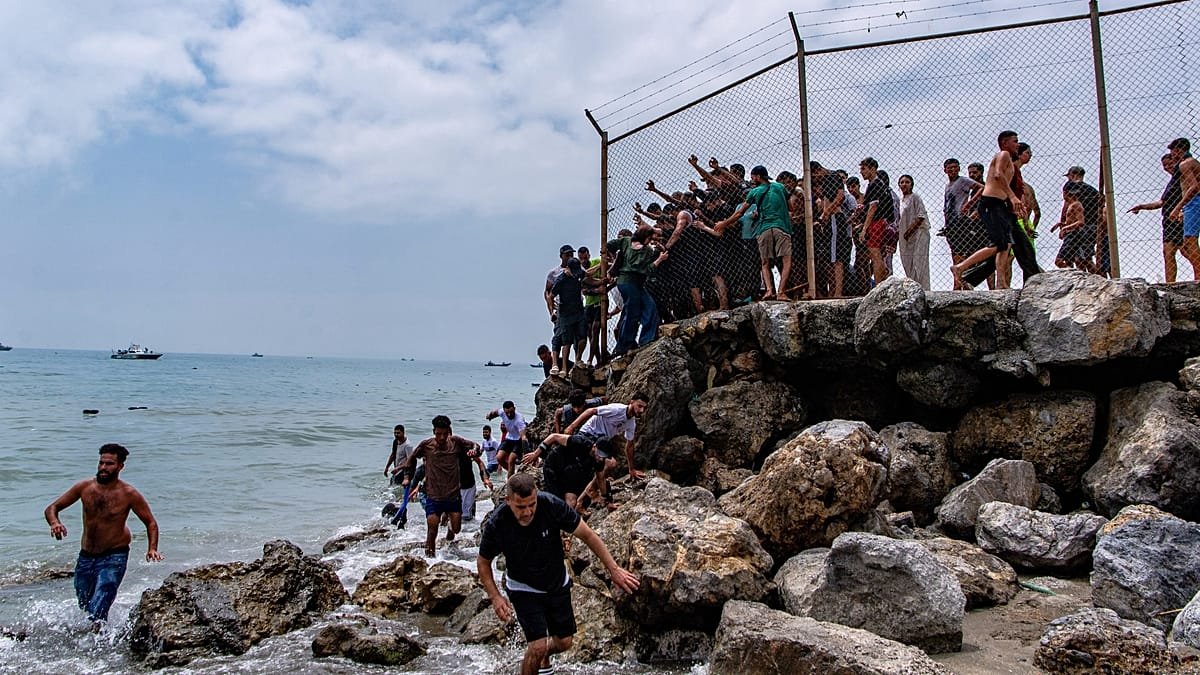
Technical Specifications and Architectural Breakdown
From an industrial engineering perspective, the units in question are not merely recreational items but represent a specific class of mass-produced, high-density polyethylene (HDPE) or PVC-based buoyancy aids. The uniformity observed in the aerial surveillance footage suggests a standardized manufacturing process—likely injection molding or heat-sealed extrusion—that requires significant lead time and factory-level output capacity.
To produce 10,000 units of this specification, a manufacturer would require a dedicated production line operating at peak capacity for several weeks, if not months. The components are characterized by a high strength-to-weight ratio, designed for rapid inflation and deployment. Unlike consumer-grade pool accessories, these units appear to be optimized for specific buoyancy benchmarks, likely standardized to support a singular adult weight profile. The logistical footprint of these items is equally notable; when deflated, 10,000 units occupy a significant cubic volume, requiring specialized warehousing and freight management to move from the point of manufacture to the staging areas near the Ceuta border. The absence of branding or retail serialization on these units further suggests a “white-label” procurement strategy, designed to bypass traditional supply chain transparency and evade tracking mechanisms often associated with large-scale industrial imports.
Industry Landscape and Competitive Comparison
In the context of maritime safety equipment and logistics, the deployment of 10,000 identical units stands in stark contrast to standard regional procurement patterns. Typically, maritime rescue equipment is sourced through specialized vendors with strict regulatory compliance protocols. The following table illustrates how the current situation compares to standard procurement models for similar buoyancy devices.
| Feature | Standard Consumer Float | Professional Rescue Aid | Identical Floats (Ceuta) |
|---|---|---|---|
| Sourcing | Retail/Online | Government Tender | Private/Bulk/Opaque |
| Volume Capacity | Low (10-50 units) | Medium (100-500 units) | Massive (8,000-10,000) |
| Traceability | Retail Receipt | ISO/Safety Certs | None/Obfuscated |
| Deployment Time | Immediate | Scheduled | Synchronized/Rapid |
The industry landscape for such items is usually fragmented. Retail outlets rarely hold more than a few hundred units in a regional distribution center. To source 10,000 identical units, an entity would need to engage directly with a wholesale manufacturer, likely bypassing regional distributors to avoid flagging the purchase. This level of procurement suggests a sophisticated understanding of supply chain gaps, where the entity leveraged the anonymity of global trade routes to amass a stockpile without triggering the typical scrutiny applied to large-scale industrial goods.
Practical Consumer & Enterprise Takeaways
For those observing the logistics of this event, the primary takeaway is the vulnerability of modern supply chains to bulk, unmonitored procurement. In the enterprise sector, this highlights the necessity for rigorous vendor vetting and the implementation of “Know Your Customer” (KYC) protocols even for seemingly benign goods. When items as simple as buoyancy aids can be weaponized or utilized for large-scale border events, the distinction between commercial goods and strategic assets blurs.
For organizations involved in maritime logistics or emergency management, the Ceuta incident serves as a case study in “supply chain noise.” By flooding a region with thousands of identical, low-cost assets, actors can effectively mask their logistical preparations within the broader background of regional trade. Moving forward, authorities and private enterprises must consider the implications of bulk procurement patterns that deviate from historical demand curves. The ability to identify such anomalies in real-time is no longer just a matter of inventory management, but a critical component of border security and regional stability.
Frequently Asked Questions
How can authorities determine the origin of the identical floats?
Investigators are tracing the batch numbers, material composition, and manufacturing specifications. By analyzing the unique chemical signature of the plastics and the specific heat-sealing patterns, forensic teams can often identify the specific factory or production facility where the goods were manufactured, even if the branding has been removed.
Why is the volume of 10,000 units considered a logistical anomaly?
In a standard market, the sudden demand for 10,000 units would create an immediate stock-out situation. Because these units appeared simultaneously without a corresponding spike in regional retail sales data, it confirms that the items were sourced through a private, non-retail supply chain that bypassed standard economic indicators.
What is the significance of the judicial request to the Maritime Rescue Coordination Centre?
Judge María Tardón is seeking to correlate the timing of the equipment’s appearance with maritime traffic data. By comparing the arrival of these floats with vessel movements and regional surveillance logs, the court aims to establish a timeline of when and how the equipment was staged, which is essential for determining criminal liability.
The Bottom Line
The appearance of 10,000 identical floats at the Ceuta border is not a matter of coincidental consumer behavior but the result of a calculated, high-volume logistical operation. The technical uniformity of the equipment confirms that this was a centralized procurement effort, likely designed to facilitate mass movement with precision. As the National Court continues its investigation, the focus remains on identifying the actors capable of navigating global supply chains to secure such quantities of equipment. This event underscores a growing challenge for border authorities: the need to monitor not just the movement of people, but the industrial-scale supply chains that enable large-scale, coordinated border crossings.
[…] for SNES Tests Limits of 16-bit Consoles COP31 Climate Talks Stall Over Global Funding Deadlines Police Probe Identical floats Linked to Migrant Crossings Russian strikes damage Austrian and Dutch embassies in Kyiv GTA 6 Scams Target Players With Fake […]
[…] for SNES Tests Limits of 16-bit Consoles COP31 Climate Talks Stall Over Global Funding Deadlines Police Probe Identical floats Linked to Migrant Crossings Russian strikes damage Austrian and Dutch embassies in […]
[…] Visa Mastercard breach poses phishing, not theft risk PHP 8.6 Ships with Hardened Security Settings ChatGPT for SNES Tests Limits of 16-bit Consoles COP31 Climate Talks Stall Over Global Funding Deadlines Police Probe Identical floats Linked to Migrant Crossings […]