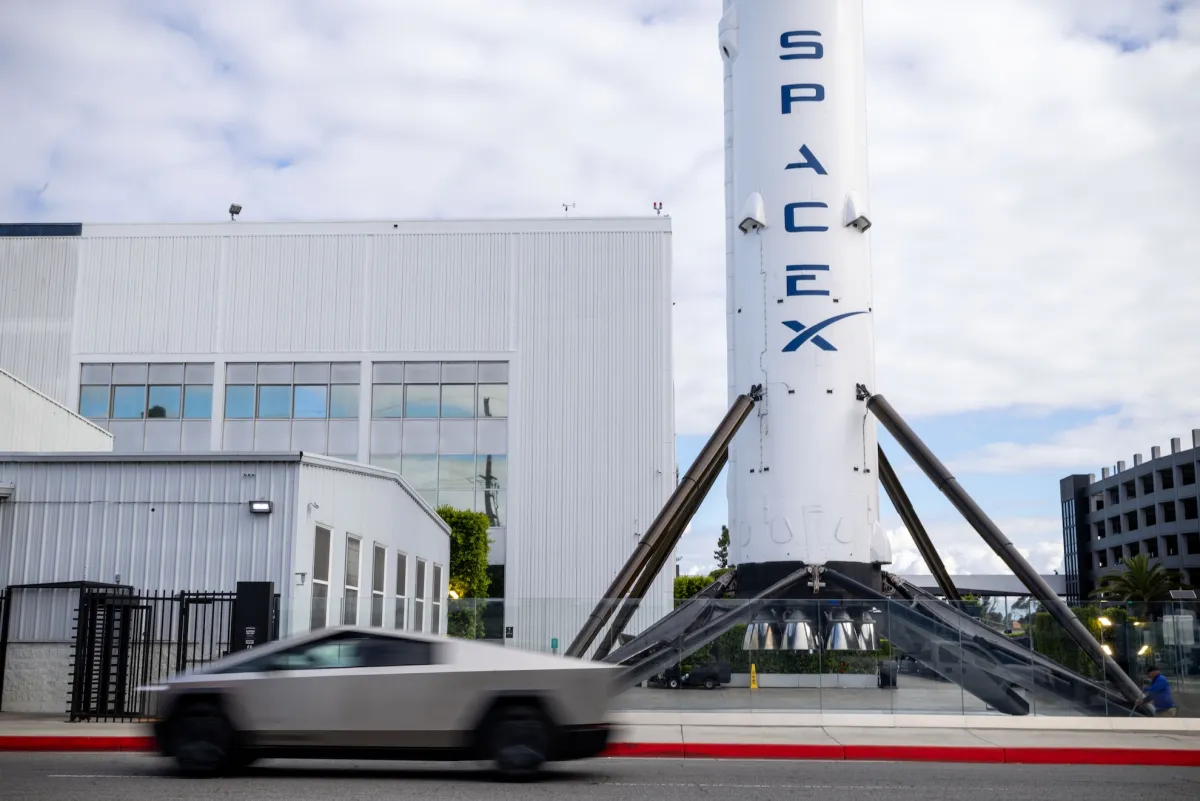
Technical Specifications and Architectural Breakdown
Operating a high-density data center in the vacuum of space introduces a series of engineering hurdles that deviate sharply from standard data center design. On Earth, thermal management relies on convection and conduction; in space, the absence of an atmosphere necessitates a reliance on radiative cooling. SpaceX must develop advanced heat rejection systems, likely utilizing large-scale deployable radiator arrays that can dissipate the immense thermal load generated by high-performance processors and AI accelerators.
Radiation hardening is the second primary technical pillar. Standard silicon-based processors are susceptible to single-event upsets (SEUs) caused by cosmic rays and solar flares. To maintain operational integrity, these orbital units will require a combination of redundant architecture, error-correcting memory (ECC), and specialized shielding materials. The compute nodes themselves will likely utilize a modular, “blade-style” architecture, allowing for easier integration into the satellite bus and future hardware upgrades.
Connectivity is governed by high-bandwidth optical inter-satellite links (OISLs). These laser-based communication systems are essential for creating a cohesive, low-latency network that mirrors the performance of a terrestrial cluster. By utilizing laser terminals, SpaceX can bypass the limitations of traditional radio frequency (RF) links, achieving multi-gigabit throughput between nodes in orbit. Furthermore, the protocol stack must be optimized for long-distance, high-speed data transmission where the speed of light becomes a non-trivial factor in round-trip latency. Benchmarking these systems will require a new set of standards, moving beyond traditional MIPS or FLOPS to include metrics like “compute-per-watt-per-orbit” and “bit-error-rate-under-radiation.”
Industry Landscape and Competitive Comparison
The push toward orbital infrastructure has ignited a debate regarding the sustainability of the LEO environment. Competitors and industry watchdogs, including Amazon’s Project Kuiper, have raised concerns about orbital congestion and the potential for frequency interference. While SpaceX argues that this infrastructure is necessary for the next generation of real-time analytics, critics suggest that the sheer number of satellites required to maintain a persistent, high-capacity compute network increases the risk of collision and debris accumulation. The following table contrasts the fundamental operating parameters of traditional terrestrial data centers with the emerging orbital model.
| Feature | Terrestrial Data Center | Orbital Data Center |
|---|---|---|
| Cooling Method | HVAC, Liquid Immersion | Radiative Heat Exchange |
| Latency (Local) | Sub-millisecond | 10ms to 50ms (Satellite-to-Ground) |
| Power Source | Utility Grid, Backup Generators | Solar Arrays, Battery Buffers |
| Maintenance | On-site Human Intervention | Autonomous/Remote Only |
| Environmental Risks | Physical Security, Natural Disaster | Radiation, Micro-meteoroids |
Practical Consumer & Enterprise Takeaways
For the enterprise sector, the immediate utility of orbital data centers lies in edge computing for remote operations. Industries such as maritime shipping, defense, and long-haul aviation, which currently contend with intermittent connectivity, stand to benefit most. By processing data at the edge—directly in the satellite constellation—these sectors can perform real-time data analysis without the need to backhaul raw telemetry to a terrestrial hub. This “process-in-orbit” model reduces bandwidth consumption and provides actionable insights in environments where traditional infrastructure is non-existent.
However, enterprises must weigh these benefits against significant cost barriers. Launch costs, while decreasing, remain high, and the specialized hardware required for space-hardened compute is substantially more expensive than standard enterprise-grade server components. Organizations should view orbital compute not as a replacement for their primary data centers, but as a specialized tool for high-latency-sensitive, remote applications. Before committing to a space-based architecture, companies must perform a rigorous cost-benefit analysis focusing on data sovereignty, transmission costs, and the specific latency requirements of their operational workflows.
Frequently Asked Questions
How will SpaceX manage the thermal output of high-performance chips in a vacuum?
SpaceX is expected to utilize advanced thermal bus technology and deployable radiator panels. By using phase-change materials and dedicated cooling loops, the heat generated by the processors is moved away from the core and radiated into space through high-emissivity surfaces, ensuring that the hardware remains within its operating temperature range.
What is the primary advantage of orbital processing over terrestrial edge computing?
The primary advantage is geographic coverage. While terrestrial edge servers are limited to areas with power and backhaul infrastructure, orbital data centers provide uniform, global coverage. This is critical for applications that require consistent compute power in the middle of oceans, deserts, or polar regions where traditional data centers cannot be built.
Are these satellites susceptible to data loss due to radiation?
Yes, radiation is a major concern. To mitigate this, orbital data centers employ a multi-layered approach: physical shielding using aluminum or tantalum, and logical redundancy where the same computation is performed simultaneously on multiple nodes to identify and correct errors caused by bit flips.
The Bottom Line
The transition to orbital data centers is an ambitious expansion of the compute stack, moving the boundaries of data processing from the ground to the stars. While the technical hurdles regarding thermal management and radiation resistance are significant, the potential for global, low-latency compute is a compelling prospect for specific high-value industries. However, the project also highlights a growing tension between rapid technological expansion and the preservation of the orbital environment. For stakeholders, the success of this venture will depend less on the raw compute power achieved and more on the ability to balance operational efficiency with the long-term safety of the LEO ecosystem. SpaceX has secured the regulatory permission to proceed; the engineering community will now be watching to see if the reality of orbital compute can match the scale of the company’s vision.