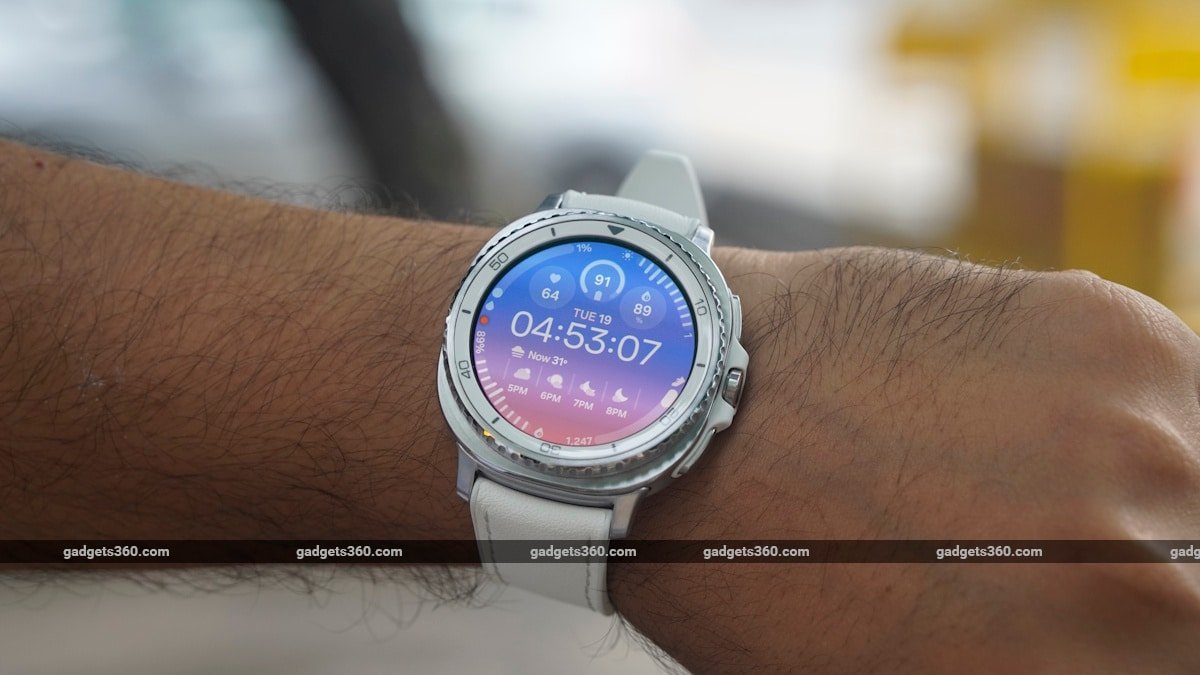
Technical Specifications and Architectural Breakdown
The core of the Galaxy Watch 8’s new health suite is the Vitals feature, which operates on a sophisticated sensor fusion architecture. By leveraging the device’s upgraded BioActive Sensor array, the watch continuously monitors five primary biometric markers during sleep: heart rate, heart rate variability (HRV), skin temperature, blood oxygen levels, and respiratory rate. The integration of these metrics relies on an improved machine learning model that runs locally on the device’s processor, minimizing latency and ensuring data privacy by avoiding constant cloud synchronization for basic calculations.
From an architectural standpoint, the inclusion of the Daily Cardio Load metric represents a shift toward predictive analytics. Unlike traditional intensity trackers that rely on simple caloric expenditure or step counts, Daily Cardio Load utilizes the VO2 max baseline and heart rate zones to calculate the cumulative physiological strain on the cardiovascular system. This metric is processed through an algorithm that accounts for the user’s recovery state, providing a quantitative score that suggests whether a user should engage in high-intensity training or prioritize rest. This transition from retrospective reporting to proactive recovery guidance is supported by a more efficient power management system in the latest firmware, which ensures that these background monitoring tasks do not significantly degrade the device’s battery life, a common pain point in previous generations.
Industry Landscape and Competitive Comparison
The wearable market is currently bifurcated between lifestyle devices and specialized sports watches. The Galaxy Watch 8 occupies a middle ground, attempting to capture the seamless ecosystem integration of a standard smartwatch while offering the analytical depth of a Garmin or Suunto. Compared to its predecessor and its primary competitors, the Galaxy Watch 8 distinguishes itself through its comprehensive approach to sleep and recovery coaching, which is now more deeply integrated into the user interface than the offerings from Apple or Google.
| Feature | Galaxy Watch 8 | Apple Watch Series 10 | Garmin Venu 3 |
|---|---|---|---|
| Recovery Metrics | Daily Cardio Load | Training Load | Body Battery / Recovery |
| Sleep Analysis | Advanced Vitals Tracking | Sleep Apnea Detection | Sleep Score / HRV |
| Ecosystem | Android / Samsung | iOS | Universal |
| Battery Life | Up to 40 Hours | Up to 18 Hours | Up to 14 Days |
While the Apple Watch Series 10 excels in emergency health features like fall detection and cardiac alerts, the Galaxy Watch 8 offers a more granular look at long-term fitness trends. The Garmin Venu 3 remains the gold standard for pure athletes who prioritize battery longevity, but it lacks the deep, app-rich ecosystem that the Galaxy Watch 8 provides via the Wear OS platform. For the average user, the Galaxy Watch 8 presents the most balanced trade-off between battery performance, software utility, and health data density.
Practical Consumer & Enterprise Takeaways
For current owners of the Galaxy Watch 6 or 7, the decision to upgrade depends largely on the importance of recovery-based training. If an individual is training for specific fitness goals—such as a marathon or a structured strength program—the Daily Cardio Load feature offers actionable data that can prevent overtraining. Conversely, for users who primarily utilize their watch for notifications and basic step counting, the hardware improvements in the Galaxy Watch 8 may not justify the cost of an upgrade.
From an enterprise perspective, the improved health monitoring capabilities suggest potential for corporate wellness programs. Organizations looking to incentivize employee health can leverage the Galaxy Watch 8’s standardized metrics to provide a more consistent baseline for wellness initiatives. However, IT departments must remain cognizant of the data privacy implications when integrating wearable health data into corporate-sponsored health platforms, ensuring that sensitive biometric information remains encrypted and compliant with regional health data regulations.
Frequently Asked Questions
Does the Vitals feature require a subscription to Samsung Health?
No, the core Vitals tracking features are included as part of the standard One UI 9 Watch update. Users can access their daily, weekly, and monthly trends directly within the Samsung Health app without additional recurring costs.
How does the Galaxy Watch 8 handle data accuracy during high-intensity intervals?
The upgraded BioActive Sensor uses multi-wavelength LED arrays to ensure consistent heart rate tracking even during rapid movement. While no wrist-based sensor matches the precision of a dedicated chest strap, the Galaxy Watch 8 shows a marked improvement in signal stability compared to previous generations.
Is the Daily Cardio Load feature compatible with third-party fitness apps?
The metric is primarily calculated and displayed within the Samsung Health ecosystem. While third-party apps can pull basic health data via Health Connect, the specific Cardio Load algorithm is proprietary to Samsung and is not currently exported as a raw metric to external platforms.
The Bottom Line
The Galaxy Watch 8 is a refined, software-forward iteration that prioritizes the utility of health data over gimmicky hardware additions. By focusing on metrics that matter—recovery, cardiovascular strain, and sleep quality—Samsung has successfully positioned this device as a credible tool for those who want to understand their physiology without the complexity of professional medical equipment. While the battery life remains a limitation compared to dedicated sports watches, the overall integration of features makes it the most well-rounded choice for users within the Android ecosystem. It is a mature product that rewards the user with consistent, actionable insights, cementing its place as a leader in the current wearable market.