Technical Specifications and Architectural Breakdown
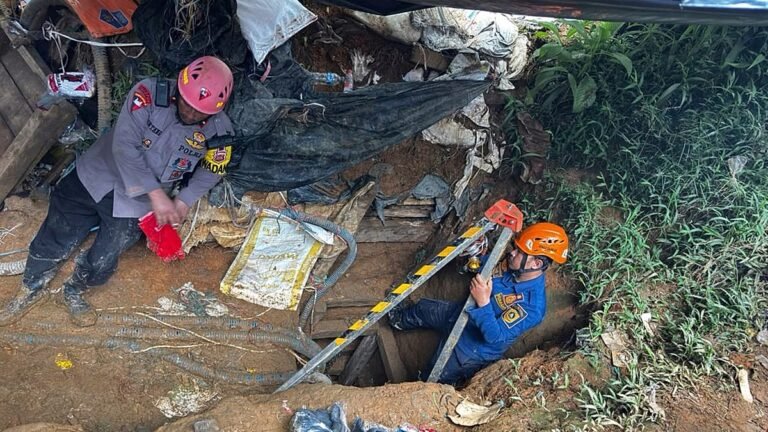
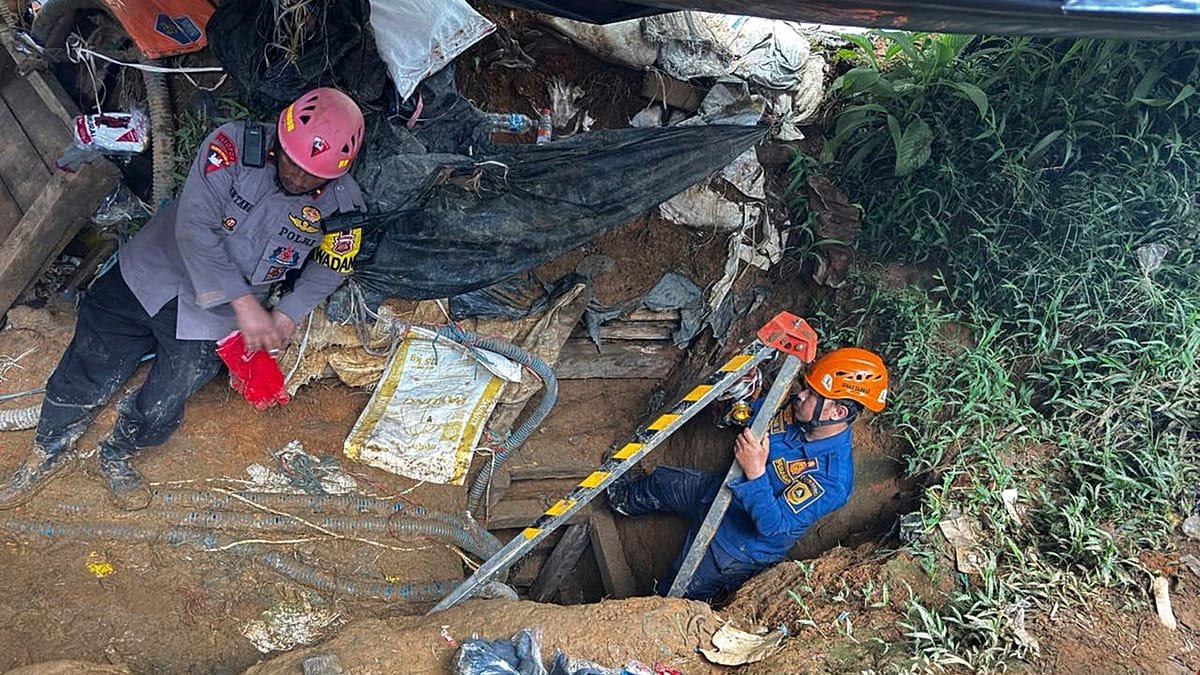
The rescue operation currently underway involves 325 personnel navigating a complex, high-risk environment. The engineering challenges are immense. The mine consists of vertical shafts plunging 100 meters into the earth, designed without the structural shoring or ventilation systems required by international mining codes. In a professional mining environment, shafts are reinforced with steel sets, rock bolts, and shotcrete to prevent collapse. Here, the shafts are essentially raw, earthen bores, making them exceptionally vulnerable to the hydrological pressure caused by the recent heavy rainfall.
To access the trapped individuals, rescue teams are deploying industrial-grade submersible pumps to evacuate thousands of liters of water and slurry from the shaft bottoms. This is a delicate mechanical process: the pumps must operate at specific flow rates to avoid creating pressure differentials that could trigger further structural failure of the saturated tunnel walls. Rescuers are utilizing rope-access techniques, a method typically reserved for high-altitude industrial maintenance, now repurposed for subterranean extraction. The environment is devoid of lighting, oxygen monitoring systems, or communication relays, forcing teams to rely on tethered operations where every movement risks dislodging mud and debris. The lack of an established mine plan—a standard blueprint detailing tunnel topography—means rescuers are operating essentially blind, mapping the site as they descend.
Industry Landscape and Competitive Comparison
The contrast between an illegal gold mine and a regulated enterprise is not merely a matter of legal compliance; it is a fundamental difference in risk management, capital investment, and technological deployment. Legitimate mining operations integrate real-time seismic monitoring, automated ventilation, and rigorous geotechnical oversight to mitigate the inherent dangers of working underground. The following table outlines the stark differences in safety and infrastructure between an illicit operation and a regulated, industrial-scale mine.
| Feature | Illegal Gold Mine | Regulated Industrial Mine |
|---|---|---|
| Structural Support | None (Earthen walls) | Hydraulic shoring, rock bolting |
| Hydrological Control | Surface diversion only | Deep-well dewatering, flood gates |
| Emergency Protocol | Non-existent | Real-time tracking, redundant exits |
| Safety Monitoring | Manual estimation | Automated gas/seismic sensors |
While the illegal sector often gains a foothold due to low barriers to entry and the absence of overhead costs, the “cost” is paid in human life and environmental degradation. Regulated mines invest heavily in “smart” technology, including IoT-enabled sensors that track oxygen levels and worker location, ensuring that any anomaly triggers an automated evacuation sequence long before a flood or collapse occurs.
Practical Consumer & Enterprise Takeaways
For stakeholders in the precious metals market, the existence of illegal gold mines presents a significant supply chain risk. Gold sourced from these sites is often “laundered” into the legitimate supply chain, posing ethical and regulatory challenges for manufacturers and investors. Enterprises must adopt strict due diligence protocols to ensure their gold is sourced from refineries that adhere to the London Bullion Market Association (LBMA) standards or similar international frameworks.
From a policy perspective, the takeaway is clear: the proliferation of illegal mining is often a symptom of economic desperation in rural areas. Addressing this requires more than just enforcement; it necessitates the formalization of artisanal mining. By providing small-scale miners with access to safer equipment, geological training, and legal pathways to sell their ore, governments can reduce the frequency of such disasters. For the consumer, this underscores the importance of transparency. When purchasing gold products, verifying the provenance of the metal is the only way to ensure that the purchase does not inadvertently subsidize operations that operate outside the bounds of human safety and environmental law.
Frequently Asked Questions
Why did the illegal status of the mine cause a 16-hour delay in the rescue mission?
Because the mine operated outside of government oversight, there was no registry of workers, no map of the tunnels, and no emergency response plan. The operators initially attempted to hide the incident to avoid legal repercussions, preventing authorities from learning of the disaster until the situation had already deteriorated significantly.
What are the primary hazards faced by the rescue teams currently in the shaft?
The primary threats include the instability of the unreinforced earthen walls, the risk of further flooding from the saturated ground, and the lack of breathable air. The mud-filled environment also complicates the use of mechanical equipment, as heavy machinery can cause vibrations that lead to secondary collapses.
How can the industry effectively curb the growth of illegal mining operations?
Effective curbing requires a multi-pronged approach: stricter enforcement of land rights, the implementation of blockchain-based tracking for gold supply chains to ensure traceability, and providing economic alternatives for local populations who currently rely on illegal mining for their livelihoods.
The Bottom Line
The disaster in the Bogor regency is a tragic consequence of systemic neglect. While the bravery of the 325 rescue personnel is commendable, their efforts are a reactive measure to a preventable catastrophe. The fundamental issue remains the existence of an unregulated shadow industry that prioritizes immediate extraction over the lives of its workers. Until there is a global commitment to supply chain transparency and the formalization of artisanal mining, the risks of such incidents will persist. The industry must move toward a model where safety is not an optional overhead cost, but a foundational requirement for operation.