Technical Specifications and Architectural Breakdown
The engineering philosophy behind the Vivo X500 Fe centers on longevity and sustained performance, moving away from the thin-and-light obsession that often compromises thermal management. At the heart of the device sits the Snapdragon 8 Gen 5 chipset. This silicon choice is deliberate, offering a balance between power efficiency and the computational overhead required for modern AI-driven photography tasks. By opting for this architecture, Vivo ensures that the device maintains parity with current-generation flagship performance while managing power draw more effectively than the more aggressive, heat-prone overclocked variants.
The display architecture features a 6.31-inch LTPO AMOLED panel. The integration of Low-Temperature Polycrystalline Oxide (LTPO) technology is critical here, as it allows for a variable refresh rate that scales from 1Hz to 120Hz. This granular control is essential for maximizing the utility of the device’s most striking hardware feature: the 6,500mAh battery. In an industry where 5,000mAh has become a stagnant standard, this 30% increase in capacity represents a meaningful shift in user experience. To mitigate the longer charge times typically associated with such high-capacity cells, Vivo has implemented 90W wired fast charging, alongside 40W wireless charging, ensuring that the device remains functional throughout a heavy-duty workday without requiring a tether to a wall outlet for extended periods.
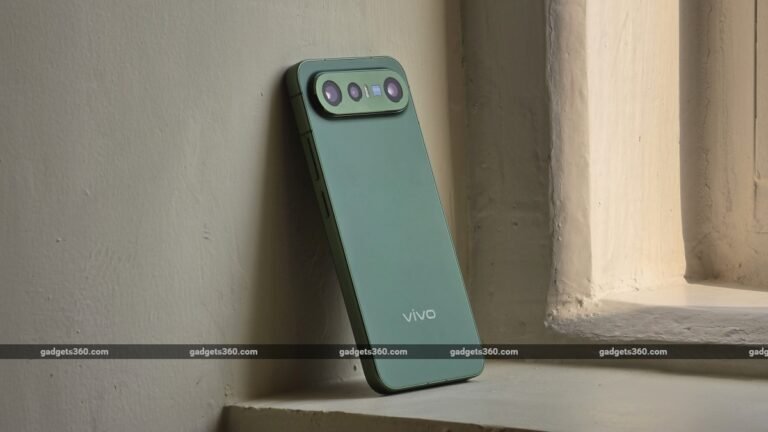
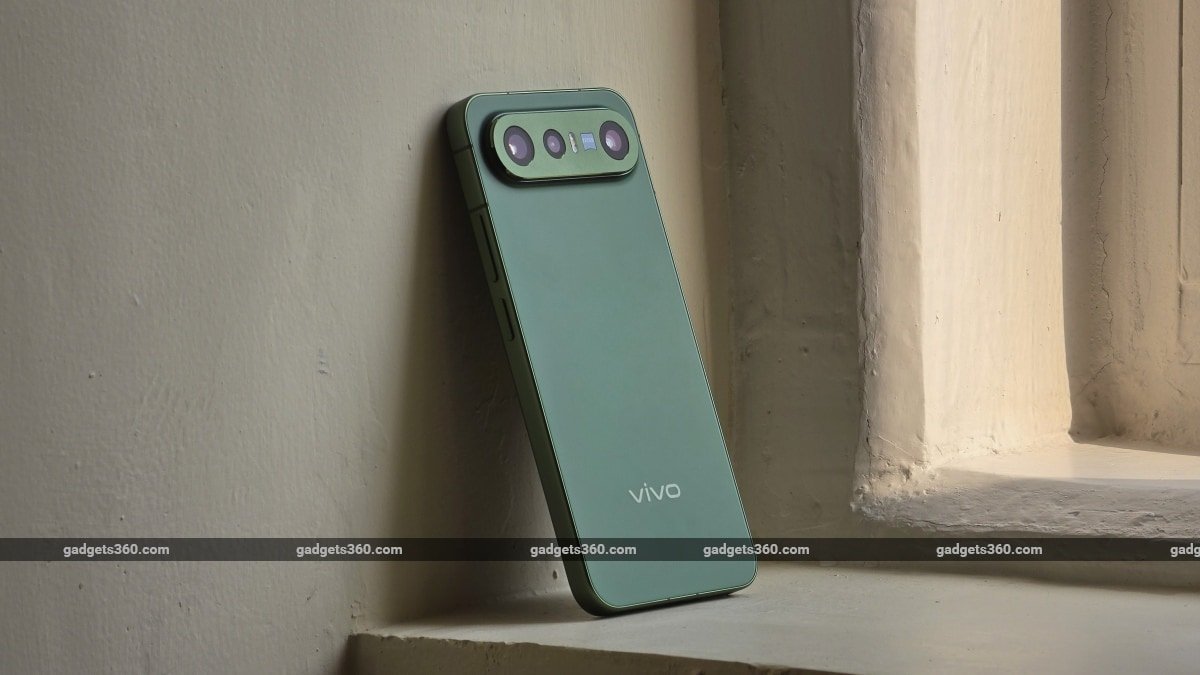
Imaging remains a cornerstone of the X-series identity. The inclusion of a 50MP Sony IMX882 sensor for the telephoto lens is a move that elevates the device above its peers. While competitors often relegate the telephoto lens to a secondary, low-resolution utility, Vivo is treating it as a primary imaging tool, providing optical zoom capabilities that maintain color accuracy and dynamic range in challenging lighting conditions.
Industry Landscape and Competitive Comparison
To assess the market position of the Vivo X500 Fe, one must look at the current hardware parity in the sub-flagship tier. Most manufacturers are currently constrained by a “standardized” hardware package—typically a 5,000mAh battery and a basic 8MP or 12MP telephoto sensor. Vivo’s decision to deviate from these specifications creates a clear value proposition for power users who prioritize utility over brand prestige.
| Feature | Vivo X500 Fe | Industry Standard (Mid-Range) | Previous Gen (X400) |
|---|---|---|---|
| Battery Capacity | 6,500mAh | 5,000mAh | 5,200mAh |
| Telephoto Sensor | 50MP (IMX882) | 8MP – 12MP | 12MP |
| Wired Charging | 90W | 33W – 65W | 67W |
The data suggests that the X500 Fe is not merely an iterative update but a strategic pivot. By increasing battery density and telephoto resolution, Vivo is addressing the two most common complaints among mobile power users: mid-day battery anxiety and the lack of high-fidelity zoom in non-flagship devices. This comparative advantage allows the device to occupy a unique niche, appealing to professionals who require reliable mobile hardware without the premium price tag associated with top-tier flagship handsets.
Practical Consumer & Enterprise Takeaways
For the average consumer, the Vivo X500 Fe presents a compelling upgrade path. Users currently holding devices from two or three years ago will find the jump in battery efficiency and charging speeds to be the most noticeable day-to-day improvements. The LTPO display ensures that even with the high-capacity battery, the device remains efficient, preventing the “battery drain” common in older high-refresh-rate screens.
From an enterprise perspective, the device offers a robust solution for field-based roles. The combination of a high-capacity battery and rapid charging is ideal for logistics, field service, or sales representatives who rely on consistent connectivity and high-quality image capture for documentation. The cost-benefit trade-off is favorable; by avoiding the “flagship tax”—the premium paid for features like excessive screen resolution or ultra-premium chassis materials—enterprise buyers can procure high-performance units at a lower total cost of ownership while maintaining a high standard of functional reliability.
Frequently Asked Questions
Does the 6,500mAh battery negatively impact the weight and ergonomics of the device?
While the increased capacity does contribute to a slightly higher mass compared to standard 5,000mAh devices, Vivo has optimized the internal weight distribution to ensure the device remains balanced. Users will notice a slight increase in density, but it is well within the acceptable range for modern high-performance handsets.
Is the Snapdragon 8 Gen 5 chipset sufficient for professional-grade video editing?
Yes. The chipset is designed to handle high-throughput data, making it more than capable of managing 4K video editing and multi-tasking workflows. The thermal management system in the X500 Fe is specifically tuned to prevent throttling during these intensive tasks.
Will the Vivo X500 Fe receive long-term software support?
Given the device’s global positioning and its role as a key product in Vivo’s lineup, it is expected to follow the company’s standard commitment to multi-year security patches and major OS updates, ensuring the device remains secure and functional for the length of a standard enterprise hardware lifecycle.
The Bottom Line
The Vivo X500 Fe is a calculated response to a market that has become fatigued by marginal gains. By focusing on the fundamental pillars of mobile utility—battery, charging, and telephoto capability—Vivo has successfully carved out a space for a device that performs where it matters most. It avoids the vanity metrics of the flagship world in favor of sustained, practical performance. For users who view their smartphone as a tool rather than a luxury accessory, the X500 Fe offers one of the most balanced hardware configurations currently entering the global market.