
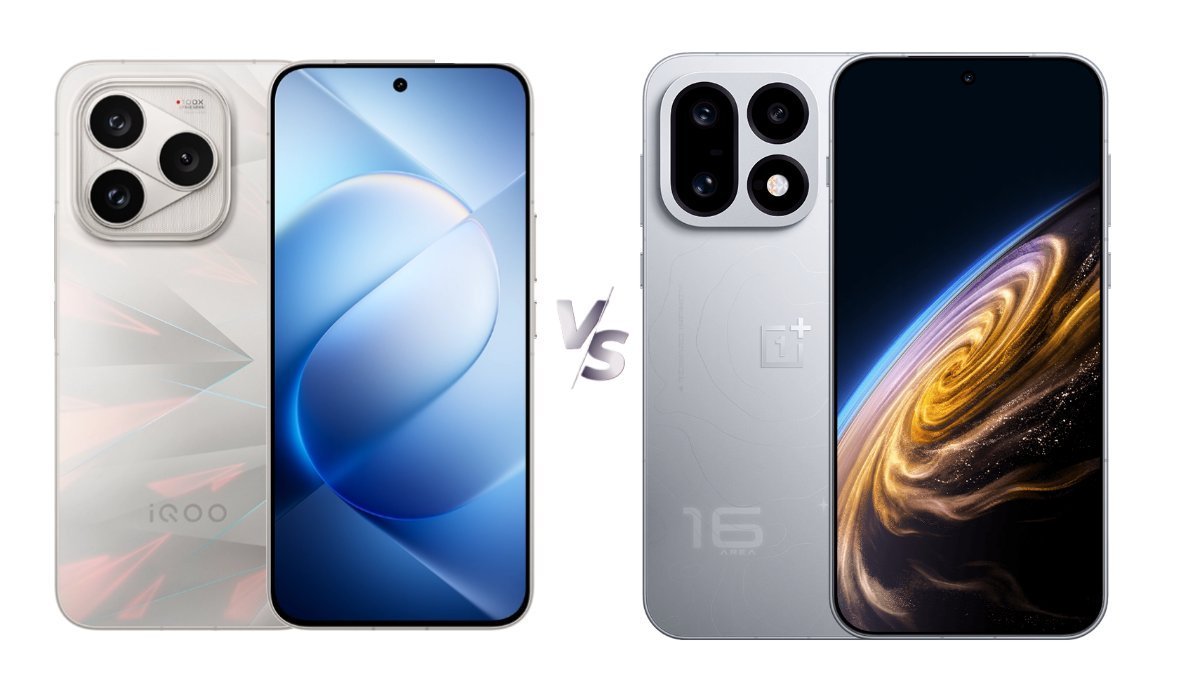
Technical Specifications and Architectural Breakdown
At the core of the OnePlus 16 is a commitment to hardware endurance and visual fidelity. While the device utilizes a high-performance chipset shared with its primary competitors, the engineering focus lies in the thermal management and display controller integration. The most significant departure from industry norms is the implementation of a 185Hz refresh rate. While 144Hz and 165Hz panels have become standard in the gaming-centric smartphone niche, the 185Hz output on the OnePlus 16 provides a measurable reduction in motion blur and input latency, catering to a demographic that prioritizes millisecond-level responsiveness in competitive mobile titles.
Structural durability has also received a substantial upgrade. The integration of “Crystal Shield Glass” represents a shift toward materials that offer higher resistance to both impact and micro-abrasions. This is complemented by an IP69K rating, a standard rarely seen in consumer handsets. Unlike the standard IP68 certification, which covers immersion, the IP69K rating mandates protection against high-pressure, high-temperature water jets, effectively making the device more resilient in extreme environmental conditions. Beyond the chassis, the camera system utilizes advanced optics that prioritize color accuracy and sensor-level dynamic range, moving away from the aggressive post-processing algorithms that have plagued recent flagship releases.
Industry Landscape and Competitive Comparison
The competitive landscape in the premium Android sector is currently defined by the tension between raw power and sustained performance. The iQOO 16 has long held a strong position by offering high-tier performance at a aggressive price point. However, the OnePlus 16 seeks to capture the segment of the market that demands this performance without sacrificing build quality or camera versatility. The following table illustrates the technical divergence between the current market leaders.
| Feature | OnePlus 16 | iQOO 16 | Previous Gen (OP 15) |
|---|---|---|---|
| Refresh Rate | 185Hz | 165Hz | 120Hz |
| Ingress Protection | IP69K | IP64 | IP68 |
| Build Material | Crystal Shield Glass | Glass-Fiber | Standard Glass |
| Optics | Advanced Computational | Basic Triple-Lens | Standard |
When analyzing these metrics, it becomes clear that OnePlus is targeting a premium tier that values longevity. The jump to an IP69K rating is a significant differentiator for users who keep their devices for three years or longer. While the iQOO 16 remains a formidable competitor for pure gaming enthusiasts, the OnePlus 16 offers a more balanced hardware profile that appeals to power users who also require a reliable daily driver for professional and creative tasks.
Practical Consumer & Enterprise Takeaways
For the average consumer, the decision to invest in the OnePlus 16 hinges on the value placed on display fluidity and device durability. If your primary use case involves high-frame-rate gaming or extended outdoor use, the advantages of the 185Hz display and the IP69K rating are immediately apparent. The cost-benefit analysis favors those who intend to hold onto their device for multiple upgrade cycles. The build quality suggests a level of physical resilience that justifies the premium price point relative to mid-tier gaming phones.
From an enterprise perspective, the OnePlus 16 serves as a viable tool for mobile-first workflows. The combination of high-speed processing and thermal efficiency allows for consistent performance during intensive tasks such as video editing or data visualization. Furthermore, the improved camera optics reduce the need for external imaging hardware in many professional scenarios. However, potential buyers should note that the software ecosystem remains a critical factor; users accustomed to a stock Android experience may require an adjustment period to the specific customizations inherent in the OnePlus interface.
Frequently Asked Questions
Is the 185Hz refresh rate compatible with all mobile applications?
While the hardware supports 185Hz, the actual refresh rate is dynamic. The system utilizes an adaptive controller that matches the refresh rate to the content being displayed. In supported games and system animations, you will experience the full 185Hz, but the device will scale down to lower rates during static tasks to preserve battery life.
Does the IP69K rating mean the device is indestructible?
No. While the IP69K rating provides superior protection against high-pressure water and dust ingress, it does not guarantee protection against physical impact or drops. The “Crystal Shield Glass” provides improved scratch and shatter resistance, but it remains glass and is subject to the limitations of material science under extreme force.
How does the OnePlus 16 compare to the previous generation in terms of thermal performance?
The OnePlus 16 features a redesigned internal vapor chamber and improved thermal dissipation materials compared to the OnePlus 15. This allows the device to sustain peak performance for longer periods without triggering the aggressive thermal throttling often seen in smaller handsets, making it more suitable for sustained, high-load tasks.
The Bottom Line
The OnePlus 16 is a disciplined exercise in hardware refinement. By ignoring the trend of chasing superficial gimmicks and instead focusing on the fundamental pillars of display technology, structural durability, and thermal management, OnePlus has produced a device that commands respect in the premium sector. While it faces stiff competition from established rivals like the iQOO 16, its superior build standards and display responsiveness provide a compelling argument for those prioritizing long-term reliability. It is a pragmatic choice for the power user, signaling that OnePlus is moving toward a more mature, engineering-led product strategy.