
Technical Specifications and Architectural Breakdown
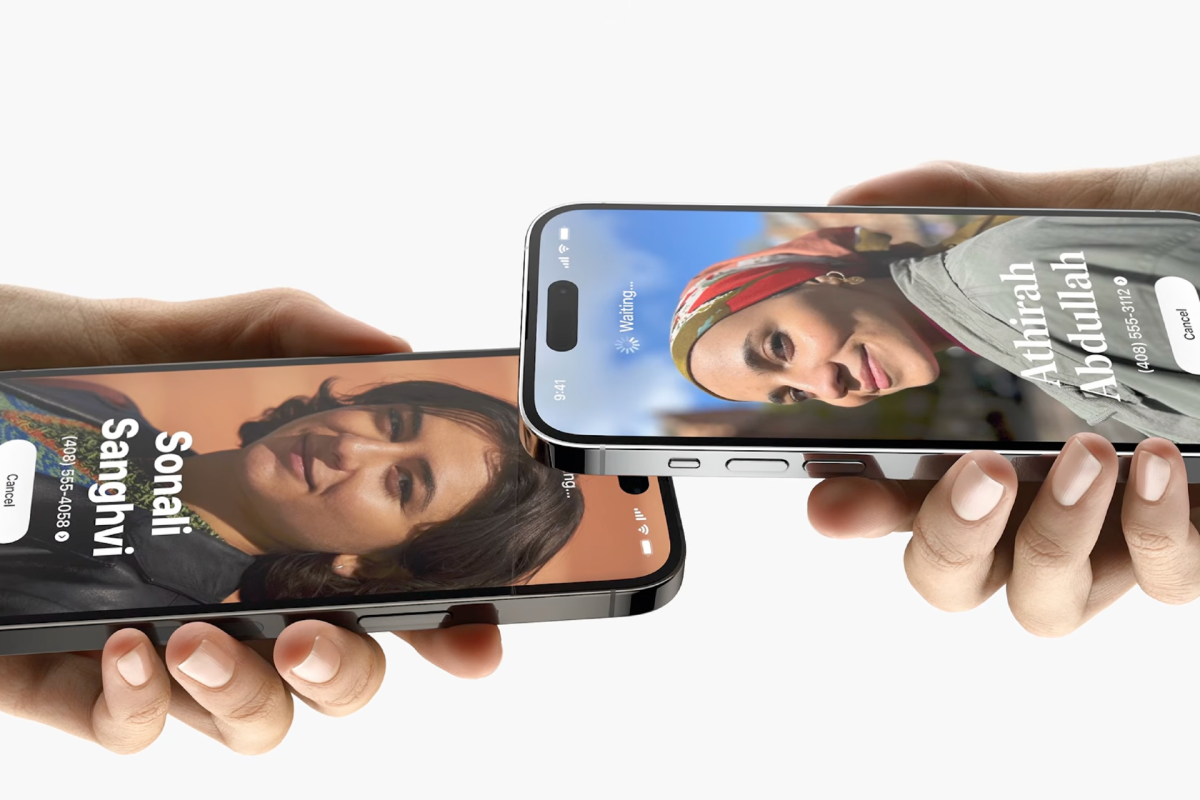
The core of the dispute lies in the engineering protocols that facilitate proximity-based data handshakes. Apple’s NameDrop utilizes a combination of Near Field Communication (NFC) and Ultra-Wideband (UWB) technology, integrated with the existing AirDrop framework. When two devices are brought into close proximity, the NFC chips establish a low-power handshake that triggers a secure, encrypted data transfer via peer-to-peer Wi-Fi or Bluetooth. This architecture is designed to minimize latency and eliminate the need for traditional device pairing or manual contact searching.
GG Technologies’ patent, granted in India in July 2024, describes a specific method for proximity-based data exchange that avoids the overhead of traditional discovery protocols. Their filing, spanning 781 pages, argues that their system architecture—which relies on specific signal-triggering parameters—was developed to solve the friction inherent in earlier sharing methods. From an engineering standpoint, the conflict hinges on whether Apple’s implementation constitutes an independent development of established wireless standards or if it mirrors the specific, patented signal-sequencing logic claimed by the startup. While Apple maintains that its ecosystem features are built upon proprietary software stacks, the court will need to determine if the “tap” trigger mechanism infringes on the specific algorithmic pathway protected by GG Technologies.
Industry Landscape and Competitive Comparison
The evolution of mobile data exchange has moved from cumbersome manual entry and QR code scanning to sophisticated proximity-aware protocols. Before the current standard of tap-to-share, users relied on legacy methods that often required third-party applications or manual input of contact details. The following table illustrates the technological progression and the comparative utility of these methods.
| Technology | Mechanism | Security/Privacy | User Friction |
|---|---|---|---|
| Manual Entry | Keyboard Input | High (Local) | Very High |
| QR Code Sharing | Optical Scanning | Medium | Moderate |
| StayTouch (GG Tech) | Proximity Handshake | High (Encrypted) | Low |
| NameDrop (Apple) | NFC/UWB/AirDrop | High (Encrypted) | Minimal |
The industry landscape is increasingly crowded, with major platforms competing to reduce the friction of networking. However, the legal challenge in India highlights a recurring tension in the tech sector: the point at which an industry-standard convenience feature crosses the line into proprietary infringement. While Apple’s NameDrop benefits from the deep hardware integration of the U1 and U2 chips, the legal argument suggests that the foundational logic of the user-facing experience may be subject to prior claims.
Practical Consumer & Enterprise Takeaways
For the average consumer, this legal battle introduces a period of uncertainty regarding the availability of specific software features. If the Bombay High Court grants the injunction, Apple could be forced to push a software update that disables NameDrop for Indian users, or in an extreme scenario, face import restrictions on specific hardware models. For enterprise users who rely on Apple’s ecosystem for rapid networking and contact management, this serves as a reminder of the volatility inherent in proprietary software features.
Buyers in the Indian market should be aware that while the hardware remains functional, the software-defined features are subject to regional regulatory and legal environments. There is no immediate need to avoid purchasing new devices, but users should monitor updates from Apple regarding the status of NameDrop. Organizations that have standardized their contact-sharing workflows around this feature should prepare for potential contingency plans, such as reverting to QR-based sharing or utilizing enterprise-grade contact management platforms, should the feature be suspended.
Frequently Asked Questions
Will this lawsuit affect users outside of India?
Currently, the legal action is confined to the Bombay High Court and pertains specifically to the Indian market. There is no immediate indication that this litigation will impact the availability of tap-to-share features in other global regions, though a favorable ruling for the startup could potentially encourage similar filings in other jurisdictions.
Is the NameDrop feature inherently unsafe if the patent is in dispute?
No. The dispute is strictly a matter of intellectual property rights, not cybersecurity or data integrity. The encryption protocols used by Apple for data transfer remain intact and are not being challenged on the grounds of security vulnerabilities.
What happens if the court rules in favor of GG Technologies?
If the court finds in favor of the startup, Apple may be required to pay licensing fees to continue using the technology, or they may be ordered to remove the feature entirely from devices sold in India. Removing the feature would likely be achieved through a mandatory iOS software update.
The Bottom Line
The legal challenge against Apple’s tap-to-share functionality is a significant reminder of the complexities involved in modern mobile software development. While Apple’s ability to integrate hardware and software into a frictionless user experience is a primary driver of its market success, the company is not immune to intellectual property disputes. The outcome of the case in the Bombay High Court will set a critical precedent for how proximity-based technologies are protected and licensed in emerging markets. For now, the feature remains active, but the industry will be watching closely to see if this dispute necessitates a shift in how major tech firms implement proprietary sharing protocols.