Technical Specifications and Architectural Breakdown
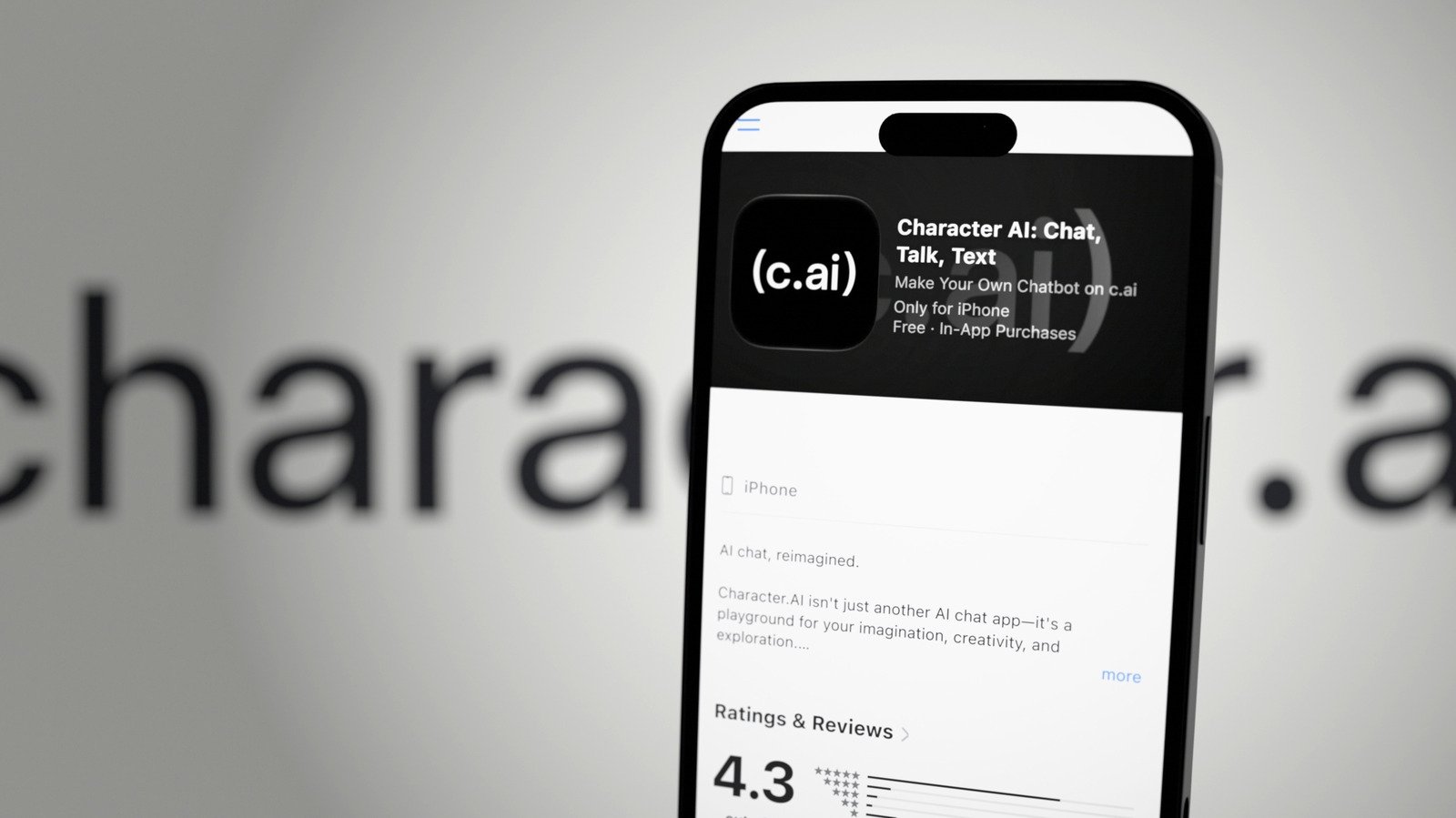
To understand the gravity of the data at stake, one must examine the architecture of the Character AI platform. The system relied on a proprietary large language model (LLM) fine-tuned through reinforcement learning from human feedback (RLHF). The data set in question is not merely a collection of text strings; it is a structured repository of high-dimensional behavioral data. Each chat log contains metadata—IP addresses, device identifiers, and timestamped sequences—that allow for the reconstruction of user intent and psychological profiling.
The technical risk lies in the “persistence layer” of these conversations. Unlike ephemeral messaging services, Character AI stored these logs to refine persona consistency and long-term memory for its AI entities. The architecture utilized vector databases to index conversational history, allowing the model to retrieve context from previous sessions. When this data is packaged for auction, the purchaser acquires not just the text, but the underlying embeddings that map the specific behavioral patterns of the user base. If decrypted or re-identified, this information provides a granular map of user vulnerabilities, which is particularly dangerous given the documented presence of logs involving mental health crises and interactions with minors.
Industry Landscape and Competitive Comparison
The current legal crisis highlights a widening gap between AI companies that prioritize privacy-by-design and those that view user data as a primary revenue stream. While established players have moved toward local processing and end-to-end encryption, newer entrants often prioritize rapid model training at the expense of data governance. The following table contrasts the data handling and privacy protocols of Character AI against current industry standards.
| Platform | Data Retention Policy | Encryption Standard | Public Auction Risk |
|---|---|---|---|
| Character AI | Indefinite storage (Pre-bankruptcy) | Server-side standard | High (Asset liquidation) |
| OpenAI (ChatGPT) | Configurable (Opt-out available) | AES-256 / TLS 1.3 | Low (Enterprise-grade governance) |
| Anthropic (Claude) | Limited retention (Training opt-out) | SOC 2 Type II compliant | Minimal (Strict data usage policies) |
Practical Consumer & Enterprise Takeaways
For the average user, the Character AI situation is a sobering reminder that “free” AI services are often subsidized by the data they collect. Consumers should adopt a “zero-trust” approach to conversational agents. If a platform does not explicitly state that it does not use your conversations for training or that it deletes logs upon session termination, you should assume the data is permanent. For enterprise users, the takeaway is even more critical: never input proprietary, sensitive, or personally identifiable information into a consumer-facing AI model. The legal instability of a vendor, as evidenced here, can turn your internal data into a liability that is sold to the highest bidder in a bankruptcy court.
When evaluating AI tools, look for platforms that offer “zero-data retention” modes. If a service does not provide a clear mechanism to request the deletion of your account and all associated conversational history, it is not suitable for anything beyond casual, non-sensitive experimentation. Furthermore, users should monitor the terms of service for “successor” clauses, which dictate what happens to user data if the company is acquired or liquidated.
Frequently Asked Questions
What is the primary concern regarding the bidder, Smirks and Pangs Acquisition LLC?
The primary concern is the lack of transparency. The entity was incorporated shortly before the bidding process, which regulators argue is a common tactic to obscure the ultimate beneficiary of the data. Without clear identification of the backers, there is no assurance that the data will be handled according to privacy standards or that it will not be sold again to malicious actors.
Why are attorneys general involved in a private bankruptcy case?
State attorneys general are tasked with protecting consumer interests. They argue that the sale of this data violates state consumer protection laws and privacy statutes. Because the data includes records of mental health crises and interactions involving minors, the state has a vested interest in preventing this information from falling into the hands of unknown third parties.
Can users force the deletion of their data if a company goes bankrupt?
Generally, once a company enters bankruptcy, assets are frozen and managed by a trustee. While users can request deletion, the court may prioritize the sale of assets to satisfy creditors. This legal standoff is attempting to establish a precedent that user data should not be treated as a standard corporate asset that can be auctioned off without regard for the privacy rights of the individuals who generated it.
The Bottom Line
The intervention by the 42 attorneys general is a necessary corrective measure in an industry that has operated with insufficient oversight for too long. The Character AI case demonstrates that the era of “move fast and break things” is fundamentally incompatible with the storage of highly sensitive human-AI interactions. Regardless of the outcome of the bankruptcy auction, the industry must establish clear standards that prohibit the commodification of private conversational logs. If user trust is to be maintained, data must be treated as a liability to be protected, not an asset to be liquidated. Until such protections are codified into law, users must remain hyper-vigilant about the information they share with AI platforms.